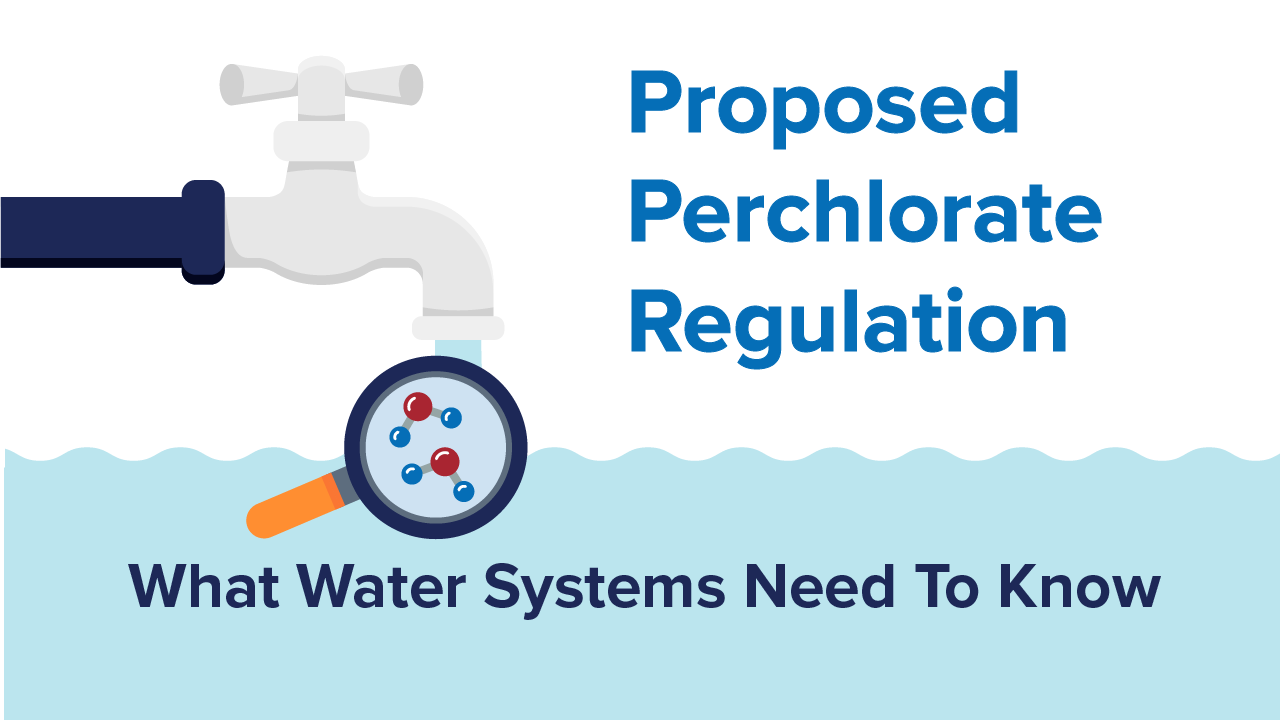
The U.S. Environmental Protection Agency (USEPA) is proposing a National Primary Drinking Water Regulation (NPDWR) and a health‑based Maximum Contaminant Level Goal (MCLG) for perchlorate. This regulatory action comes in response to the D.C. Circuit Court ruling in NRDC v. Regan, which found if USEPA issues a determination to regulate a contaminant, it must proceed Read More
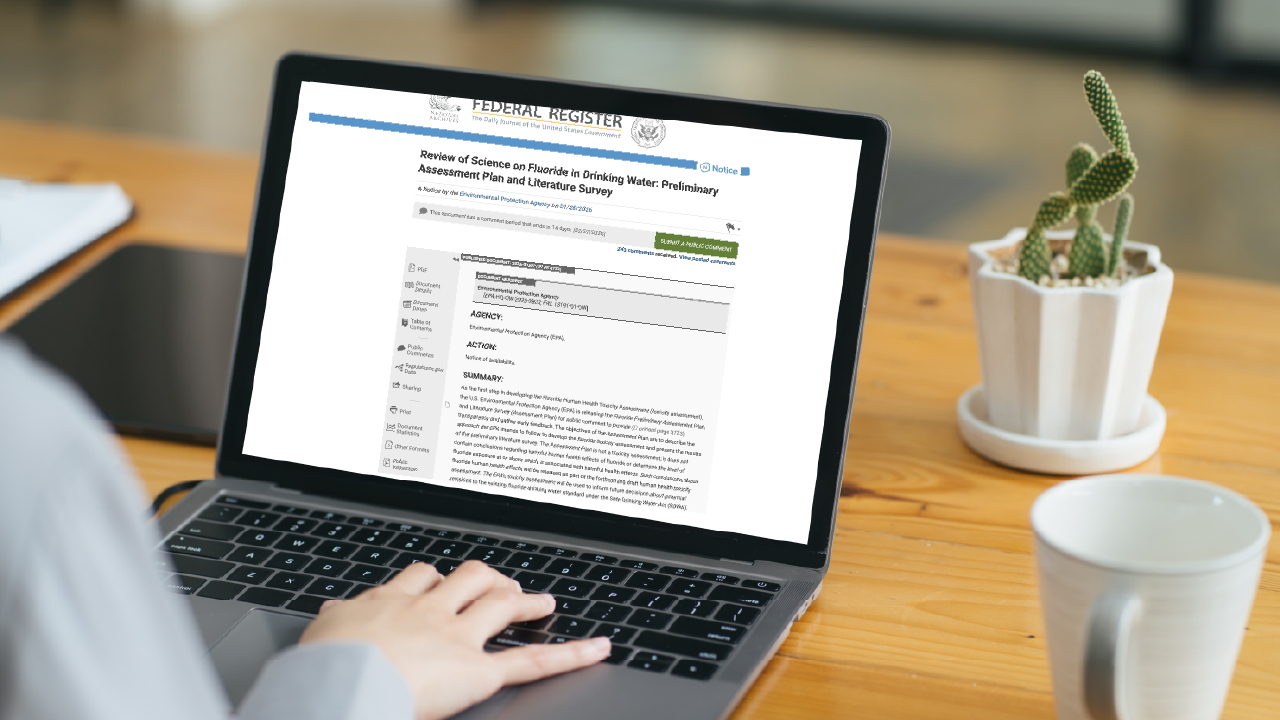
Public Comments Accepted on New Fluoride Plan
The U.S. Environmental Protection Agency (USEPA) released its “Review of Science on Fluoride in Drinking Water: Preliminary Assessment Plan and Literature Survey.” This fast-track effort marks a critical step in Administrator Lee Zeldin’s April 2025 directive to expedite USEPA’s next fluoride health assessment under the Safe Drinking Water Act (SDWA) schedule. The Preliminary Assessment Plan and Literature Read More

New Members Needed for the Farm, Ranch and Rural Communities Advisory Committee
The U.S. Environmental Protection Agency (USEPA) is soliciting nominations to serve on its Farm, Ranch, and Rural Communities Federal Advisory Committee (FRRCC). Established in 2008, the FRRCC provides independent policy advice, information, and recommendations to the USEPA Administrator on a range of environmental issues and policies that are of importance to agriculture and rural communities. The FRRCC serves as an advisory body Read More

2026 Drinking Water Outlook – A Pivotal Year
Looking back at 2025, the word “uncertainty” resonates with me as I reflect upon regulations that remain under judicial review, economic trends that contribute to elevated project costs, and potential opportunities and challenges that Artificial Intelligence (AI) brings. As we turn our attention to 2026, the focus shifts from uncertainty to preparation. Our goal is to help our clients anticipate what’s coming, Read More

Minnesota Researchers Explore New Way to Remove PFAS from Groundwater
Researchers at the University of Minnesota Twin Cities (U of M) may have discovered a new practical and cost-effective way to clean up PFAS-contaminated groundwater. PFAS (per- and poly fluoroalkyl substances), often called “forever chemicals,” are human-made substances that don’t easily break down and can accumulate in drinking water and the environment. The U of M study tested a polymer-stabilized Read More
New Dashboard Shares Lead Service Line Inventory Data
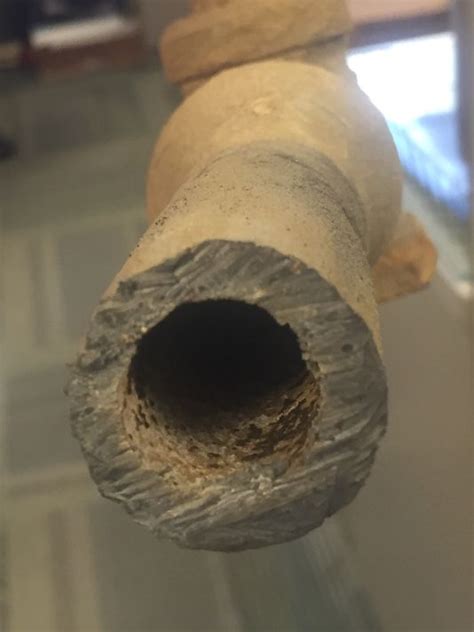
The U.S. Environmental Protection Agency (USEPA) announced a new dashboard that is full of information from each State’s lead service line inventory under the Lead and Copper Rule Revisions. The data compiled in the initial inventories indicate there are fewer lead service lines nationwide than previously estimated by USEPA. The updated estimate is four million lead service lines, which is five million less than the original estimate of nine million. To Read More