Cyberattacks against water utilities prompted U.S. Senators Amy Klobuchar of Minnesota and Adam Schiff of California to introduce the Water Cyber Shield Act in mid-August. The legislation aims to strengthen Federal oversight by the U.S. Environmental Protection Agency (USEPA), provide funding for utilities, and safeguard drinking water and wastewater systems from cyberattacks. “The recent cyberattacks on Read More
Author: Heather Syverson
Protecting Your Water and Wastewater System from Cyberattacks
The Federal Bureau of Investigation (FBI) and U.S. Environmental Protection Agency (USEPA) are warning the operators of critical infrastructure, such as water and wastewater utilities, to guard against cyberattacks. Since July, municipal water and wastewater systems in Minnesota, South Dakota, Wisconsin, Michigan, New York, New Jersey, Georgia, Alabama, Pennsylvania, Washington, and California have reported cybersecurity Read More
Cybersecurity Best Practices for Control Systems
State sponsored and financially motivated cyber criminals have targeted automation systems including those that serve water, electricity, and gas utilities. Securing these systems and their digital assets is critical to ensure reliability and continued operations. Common Threats Common cyber threats that may affect control systems include: Rogue Control: Unauthorized party takes control of a system to Read More

Cybersecurity Resources for Utilities
The news of recent cybersecurity attacks has utility managers looking for ways to shore up their defenses to keep critical infrastructure safe. In addition to the suggestions shared in The Update articles Protecting Your Water and Wastewater System from Cyberattacks and Cybersecurity Best Practices for Control Systems, there are several webinars and online resources available. Below, Read More
Proposed UCMR 6 List Includes 30 Contaminants
Thirty unregulated contaminants are proposed for new monitoring requirements in the Sixth Unregulated Contaminant Monitoring Rule (UCMR 6). The Safe Drinking Water Act (SDWA) requires the U.S. Environmental Protection Agency (USEPA) to issue a list of unregulated contaminants to be monitored by public water systems once every five years under the UCMR. PROPOSED UCMR 6 Read More
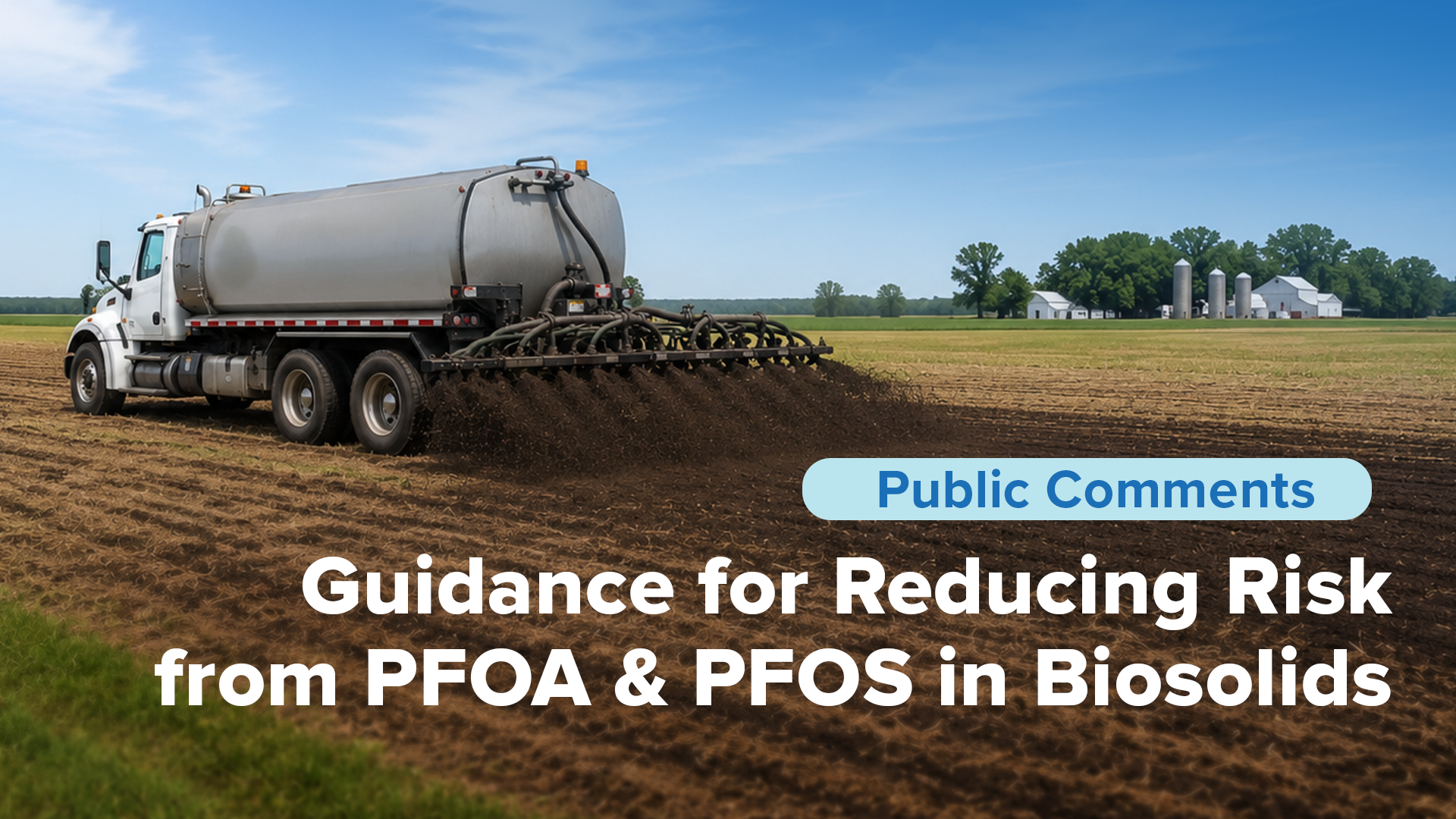
Public Comments Accepted on Draft Guidance for Reducing Risk from PFOA and PFOS in Biosolids
New draft guidance from the U.S. Environmental Protection Agency (USEPA) aims to help wastewater utilities, landowners, and the public reduce risk from perfluorooctanoic acid (PFOA) and perfluorooctane sulfonic acid (PFOS) in biosolids. PFOA and PFOS are two types of per- and polyfluoroalkyl substances (PFAS) and considered to be the most prolific PFAS compounds in the Read More