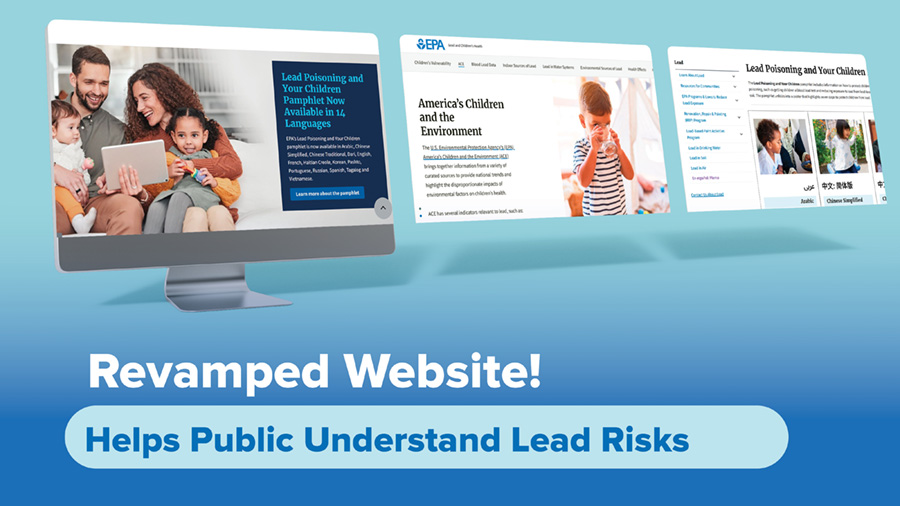
A revamped website provides easy to understand information to the public about the health risks of lead. Water system leaders may want to review the information found on epa.gov/lead and consider linking to their water utility website to educate their customers. The lead in drinking water page may be particularly helpful as the lead service Read More
Author: Heather Syverson
Cybersecurity Advisory Regarding Iranian-Affiliated Cyber Attacks
Four Federal entities issued a joint advisory to American organizations, including those in the water sector, about an urgent and ongoing Iranian-affiliated cybersecurity threat. The U.S. Environmental Protection Agency (USEPA), Federal Bureau of Investigation (FBI), Cybersecurity and Infrastructure Security Agency (CISA), and National Security Agency (NSA) warn that American organizations from multiple critical infrastructure sectors have Read More
Microplastics, Pharmaceuticals, and PFAS Included on Sixth Contaminant Candidate List
For the first time, the U.S. Environmental Protection Agency (USEPA) is including microplastics as a priority contaminant group. The draft Sixth Contaminant Candidate List (CCL 6) is now open for public comment. The CCL 6 also includes pharmaceuticals as a group for the first time, as well as per- and polyfluoroalkyl substances (PFAS), disinfection byproducts, Read More

Chlorobenzene Under Review by MN Department of Health
The Minnesota Department of Health (MDH) is taking a closer look at the chemical Chlorobenzene. The MDH Health Risk Assessment Unit began a chemical review of chlorobenzene in March. The agency reviews chemical toxicity information in response to requests from State agencies and individuals to determine if health-based guidance values need to be developed or Read More
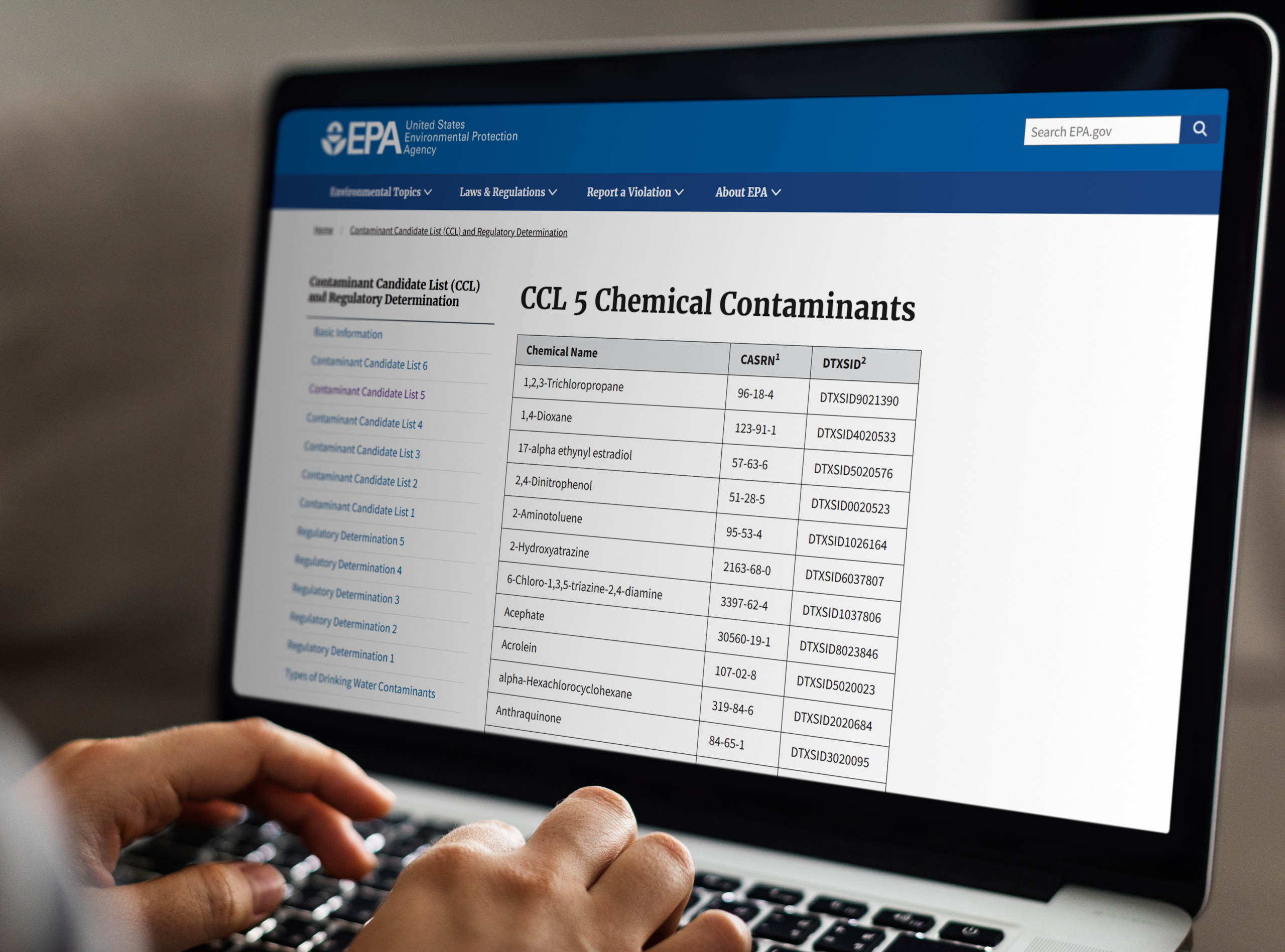
USEPA Announces CCL 5 Contaminant Regulatory Determinations
The U.S. Environmental Protection Agency (USEPA) announced in mid-March that it will not develop regulations for nine of the 81contaminants listed on the Fifth Contaminant Candidate List (CCL5). The Safe Drinking Water Act (SDWA) requires USEPA to make regulatory determinations every five years on at least five unregulated contaminants. USEPA used a three-phase process to Read More
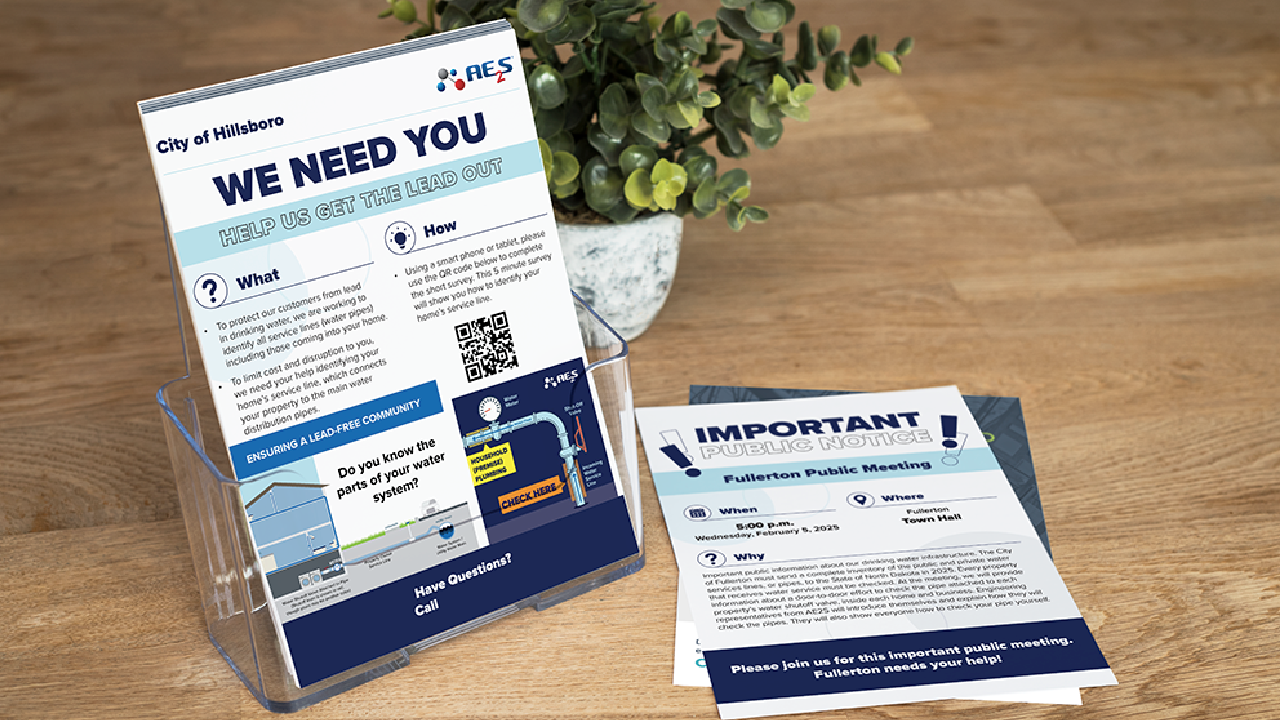
How is Your Lead Service Line Inventory Coming Along? Tips to Get the Data You Need
Depending on the size and age of your public water system, completing the lead service line inventory may feel like one of the most labor-intensive regulatory compliance efforts your water system has ever undertaken. Under the U.S. Environmental Protection Agency’s (USEPA) Lead and Copper Rule Improvements (LCRI), water systems have less than two years to Read More