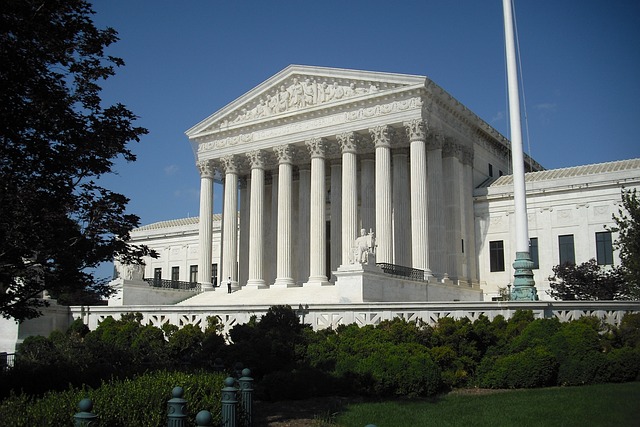
In mid-December, the U.S. Environmental Protection Agency (USEPA) asked the United States Court of Appeals for the District of Columbia Circuit to halt litigation over the Lead and Copper Rule Revisions (LCRR) in the case of Newburgh Clean Water Project v. U.S. EPA. The case was filed in January 2021 and includes the following parties: Read More
Tag: LCRR

USEPA Announces Opportunities for Public Input on Lead and Copper Rule Improvements
The U.S. Environmental Protection Agency (USEPA) will host two virtual public meetings to discuss and solicit input on environmental justice considerations related to the development of the proposed Lead and Copper Rule Improvements (LCRI). These sessions will provide opportunities for USEPA to share information about the upcoming LCRI rulemaking and for individuals to offer input Read More

Three Steps to Begin the LCRR Process
The Lead & Copper Rule Revision (LCRR) is the largest change in drinking water regulation in two decades. Although the first compliance deadline is in two years, on October 16, 2024, there is a lot of work to get done. It is prudent for water systems to start the process as soon as possible to Read More
Guidance for Locating Lead Pipes to Develop Serviceline Inventories
The U.S. Environmental Protection Agency (USEPA) has new guidance to help communities and water utilities identify lead pipes that connect drinking water service to homes and other buildings. The guidance aims to help water utilities comply with the requirements of the Lead and Copper Rule Revisions (LCRR) that went into effect in December 2021. USEPA’s Read More
Input from Small Businesses, Towns, and Organizations to be Utilized to Develop Lead and Copper Rule Improvements Proposal
The U.S. Environmental Protection Agency (USEPA) will accept input from small businesses, governments, and nonprofit organizations to participate as Small Entity Representatives for a Small Business Advocacy Review Panel related to the development of the Lead and Copper Rule Improvements (LCRI). Through the LCRI, the USEPA aims to strengthen actions to protect communities from lead Read More
7 Ways the Lead and Copper Rule Revisions Will Impact Your System
The U.S. Environmental Protection Agency (USEPA) announced the finalized Lead and Copper Rule Revision (LCRR) in December 2021 after a concerted effort to collect public comment for over two years. The public comment period led USEPA to decide the implementation of the LCRR, as written, would not be delayed and that it does not go Read More