The Draft Municipal Separate Storm Sewer Systems General Permit is available for public comment until January 11, 2020 on the Minnesota Pollution Control Agency’s (MPCA) public notices webpage. The MS4 General Permit will provide coverage for approximately 249 entities, including cities, townships, counties, watershed districts, colleges and universities, correctional facilities, the department of transportation, and a Read More

USEPA Continues Progress Under PFAS Action Plan
As part of the U.S. Environmental Protection Agency’s (USEPA) extensive efforts to help communities address per- and polyfluoroalkyl substances (PFAS) under the PFAS Action Plan, the USEPA released the Systematic Review Protocol for five PFAS toxicity assessments for a 45-day public comment period. The assessments are being developed under the Integrated Risk Information System (IRIS) Read More
USEPA Updates UCMR 4 List
The United States Environmental Protection Agency (USEPA) recently updated the results of the Fourth Unregulated Contaminant Monitoring Rule (UCMR 4), a rule that requires public water systems to monitor drinking water for 30 contaminants. The UCMR 4 applies to public water systems that serve more than 10,000 people, as well as 1,600 public water systems Read More
SMART Infrastructure Act Introduced
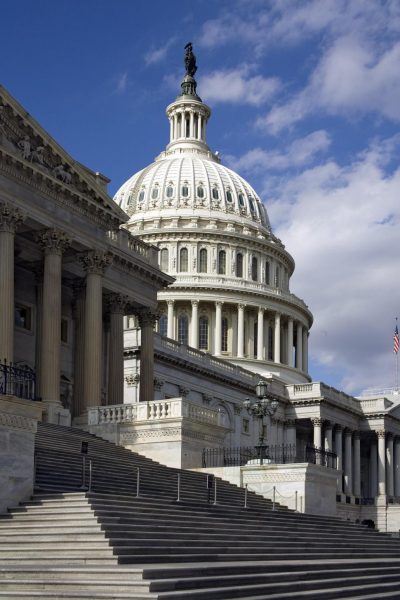
A bipartisan group of U.S. Representatives introduced H.R. 4687, the Sustainable Municipal Access to Resilient Technology in Infrastructure (SMART Infrastructure) Act. Proponents say the bill supports innovation and open competition in procurement, allowing the United States to rebuild America’s infrastructure more efficiently. The bill’s supporters say several cities currently have regulations in place that significantly Read More
New Resources Available for Chloride Pollution Reduction
Cities across Minnesota are working to reduce chloride pollution in lakes and streams, by reducing road salt usage or reducing the amount of salty discharges to their wastewater treatment plants. The Minnesota Pollution Control Agency (MPCA) recently announced two new resources to help with these efforts: Suite of model ordinances to regulate deicers Guide for Read More
Proposed Updates to Lead and Copper Rule
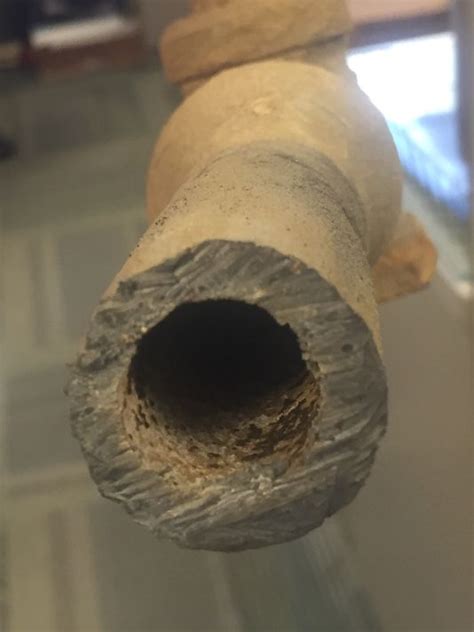
The U.S. Environmental Protection Agency (USEPA) announced a proposed rule that significantly improves the actions that water systems must take to reduce lead in the nation’s drinking water. The announcement represents the first major overhaul of the Lead and Copper Rule since 1991 and marks a critical step in advancing the Federal Action Plan to Reduce Read More