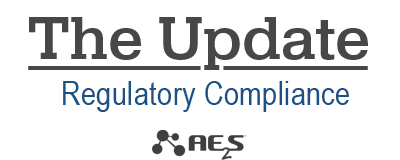

The U.S. House of Representatives passed the $1.85 trillion Build Back Better bill (H.R.5376) on November 19. If the bill passes the Senate and is signed by President Joe Biden the BBB, together with the recently signed Infrastructure Investment and Jobs Act, will provide substantial funding for water infrastructure. As approved by the House, the Read More

MPCA Accepting Public Comments on Draft Impaired Waters List
The Minnesota Pollution Control Agency (MPCA) released its proposed impaired waters list for 2022, which includes 305 water bodies with 417 new impairments, bringing the total to 2,904 water bodies with 6,168 impairments. For the first time, the MPCA listed waters in Greater Minnesota with perfluorinated alkylated substances (PFAS) contamination. Other notable waters on the 2022 list include the Root River in southeastern Read More
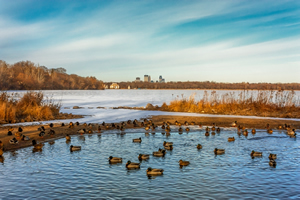
Do You Want to Host a Regional WOTUS Roundtable?
The U.S. Environmental Protection Agency (USEPA) and U.S. Department of the Army are calling on communities to propose roundtables to provide input on the regional implications of “Waters of the United States” (WOTUS) Rule. The regional roundtables aim to inform the work of USEPA and the Army to develop an enduring definition of WOTUS that Read More
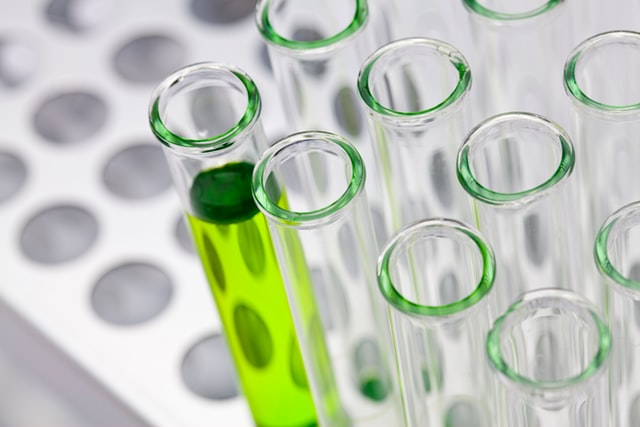
Comprehensive National Strategy Announced to Confront PFAS Pollution
The U.S. Environmental Protection Agency (USEPA) has announced a Strategic Roadmap to confront per- and polyfluoroalkyl substances (PFAS) contamination nationwide. The Roadmap is centered on three guiding strategies: Increase investments in research. Leverage authorities to take action to restrict PFAS chemicals from being released into the environment. Accelerate the cleanup of PFAS contamination. The Strategic Read More

Validated Test for PFAS in Wastewater, Surface Water, Groundwater & Soil Announced
The U.S. Environmental Protection Agency (USEPA), in collaboration with the U.S. Department of Defense (DoD), published a draft of the first USEPA-validated laboratory analytical method to test for per- and polyfluoroalkyl substances (PFAS) in eight different environmental media, including wastewater, surface water, groundwater, and soils. A partnership between USEPA and the DoD’s Strategic Environmental Research Read More
USEPA Announces New Wastewater Regulations
The U.S. Environmental Protection Agency (USEPA) has released Preliminary Effluent Guidelines Program Plan 15 (Preliminary Plan 15), which identifies opportunities to better protect public health and the environment through the regulation of wastewater pollution. Preliminary Plan 15 includes three new rulemakings to reduce contaminants including PFAS and nutrients from key industries. The USEPA will initiate the three new rulemakings after concluding several Read More