
The U.S. Environmental Protection Agency (USEPA) is issuing an Advance Notice of Proposed Rulemaking (ANPRM) asking the public for input regarding potential future hazardous substance designations of per- and polyfluoroalkyl substances (PFAS) under the Comprehensive Environmental Response, Compensation, and Liability Act (CERCLA), also known as the “Superfund” Program. The request for input and information follows Read More
Proposed PFAS Drinking Water Regulations Announced
A proposal for the first-ever national drinking water standards for per- and polyfluoroalkyl substances (PFAS) in the United States was announced in mid-March. The U.S. Environmental Protection Agency (USEPA) proposes to establish legally enforceable levels for six PFAS known to be found in drinking water. PFAS are a category of manufactured chemicals that can cause Read More
Injunction Blocks WOTUS Rule in Two States
On March 20, the final rule by the U.S. Environmental Protection Agency (USEPA) and the U.S. Department of the Army establishing a definition of “Waters of the United States” (WOTUS) became effective in 48 States. However, a Federal judge in Galveston, Texas granted an injunction to block WOTUS from going into effect in Texas and Read More
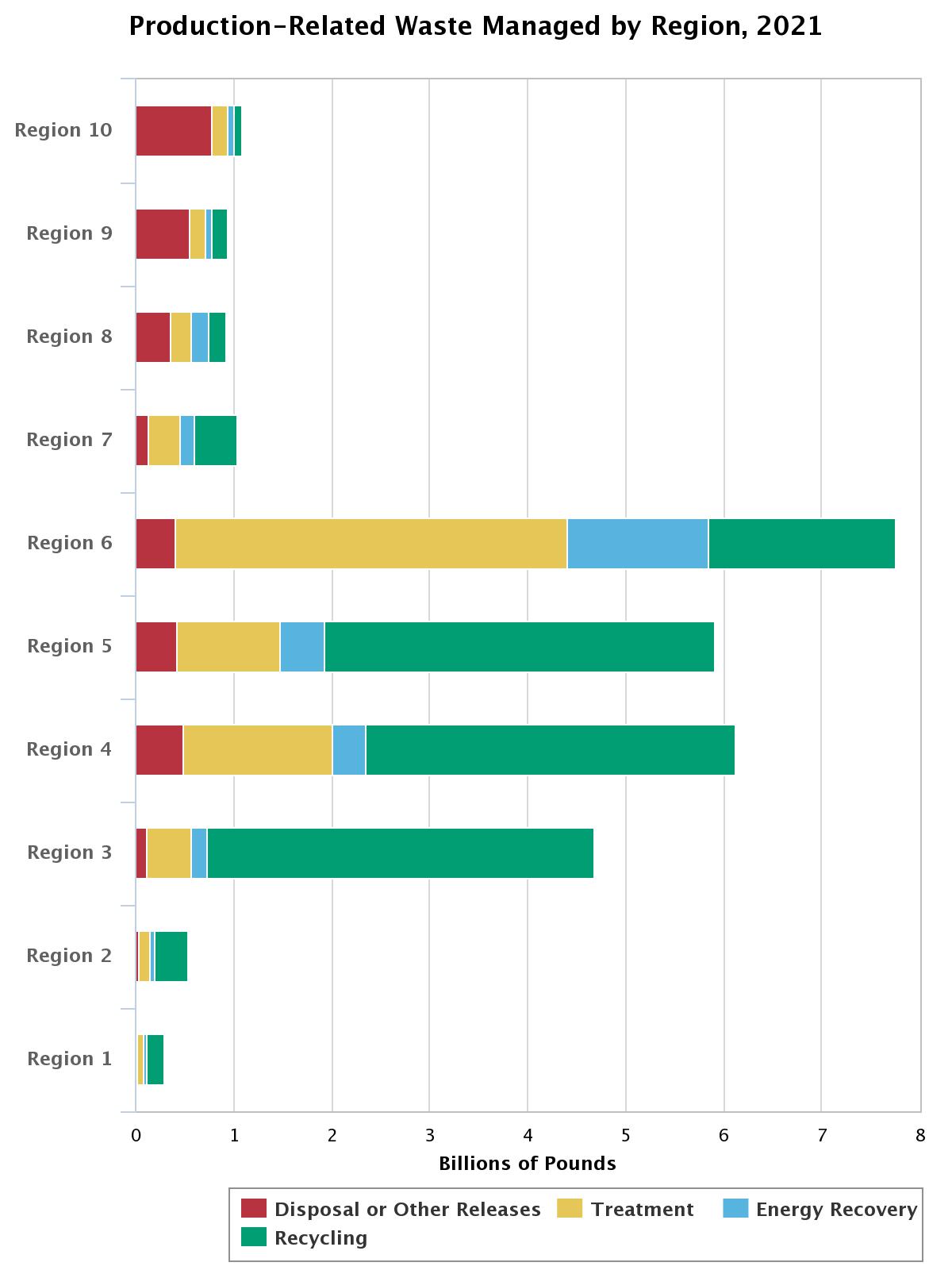
Decline in Region 5 & 8 Toxics Release Inventory Chemicals
The U.S. Environmental Protection Agency (USEPA) released its 2021 Toxics Release Inventory (TRI) National Analysis, which shows that environmental releases of TRI chemicals from facilities across the nation are declining. Releases in 2021 were 10% lower than 2012 releases, even with an 8% increase from 2020 to 2021. Nationwide, facilities managed more than 89% of Read More
USEPA Expected to Announce New PFAS Standards
The water industry is anxiously awaiting proposed regulations from the U.S. Environmental Protection Agency (USEPA) on per- and polyfluoroalkyl substances (PFAS). PFAS are known as “forever chemicals” because they persist in the environment without degrading. As of March 2, the White House Office of Management and Budget is reviewing the proposed new regulations prior to Read More

Cybersecurity Assessments Included in Public Water Sanitary Surveys
Cybersecurity risks to public water systems are raising alarm across the country as the U.S. Environmental Protection Agency (USEPA) released new guidance stressing the need for States to assess risks to protect public drinking water. The USEPA says survey results and reports of recent cyberattacks show that many have not adopted basic cybersecurity best practices Read More